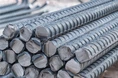
Q: What industry will purchase Galvanized Pipe?
A: The galvanized pipe is commonly used in various industries and applications, primarily due to its corrosion-resistant properties. Some industries that often purchase and use galvanized pipes include: Construction: Galvanized pipes are commonly used in construction for water supply lines, plumbing systems, and structural applications like scaffolding and handrails. Oil and Gas: Galvanized pipes are used in the oil and gas industry for transporting fluids and gases, especially in less corrosive environments. Agriculture: Galvanized pipes are utilized in agricultural applications for irrigation systems, water supply, and animal housing. Manufacturing: Galvanized pipes can be found in manufacturing settings for conveying materials, as well as for ventilation and exhaust systems. Infrastructure: Galvanized pipes are used in infrastructure projects such as bridges, highway guardrails, and utility poles. Automotive: Galvanized pipes may be used in automotive manufacturing for exhaust systems and other components. Utilities: Water and wastewater treatment plants often use galvanized pipes for their durability and corrosion resistance. Mining: Galvanized pipes can be used in mining operations for water supply lines and ventilation systems. It's important to note that the use of galvanized pipes has become less common in certain industries due to environmental concerns and the availability of alternative materials. For instance, in some plumbing applications, copper or plastic pipes are preferred due to their lower environmental impact and ease of installation.
Q: What do customers care about when purchasing?
A: Customers typically pay attention to several key aspects when purchasing galvanized pipes or any other products for that matter. These aspects help them ensure that the chosen product meets their requirements and offers the best value for their investment. Here are some common aspects customers consider: Quality and Durability: Customers want galvanized pipes that are of high quality and built to last. They look for pipes that are properly coated with a durable layer of zinc to provide effective corrosion protection. Corrosion Resistance: The primary benefit of galvanized pipes is their corrosion resistance. Customers want pipes that will withstand exposure to moisture, chemicals, and other corrosive elements without deteriorating quickly. Size and Dimensions: Customers need pipes of the right size and dimensions for their specific application. It's crucial to choose pipes that fit the intended purpose and can be easily integrated into the existing system. Application Suitability: Different industries have varying requirements for galvanized pipes. Customers want pipes that are suitable for their intended application, whether it's plumbing, construction, agriculture, or any other field. Certifications and Standards: Customers often look for galvanized pipes that meet industry standards and certifications. This ensures that the pipes have been tested and verified to perform as expected in their respective applications. Price and Value: Budget considerations are important for customers. They seek pipes that offer good value for their money, balancing quality and performance with the cost of the product. Supplier Reputation: Customers often prefer to purchase from reputable suppliers or manufacturers known for producing reliable and high-quality products. A supplier's track record can influence customers' decisions. Availability: Customers need assurance that the galvanized pipes they're interested in are readily available when they need them. Delays in procurement can impact projects and operations. Technical Support: In complex applications, customers may require technical assistance or support from the supplier. Having access to experts who can help with installation and troubleshooting is valuable. Environmental Considerations: Some customers may take into account the environmental impact of their purchases. They might consider whether the galvanizing process used is environmentally friendly and whether there are more sustainable alternatives available. Longevity and Maintenance: Customers want pipes that require minimal maintenance and have a long service life. A product's expected lifespan can influence the decision-making process. Compatibility with Other Materials: In some cases, galvanized pipes need to be compatible with other materials used in the same system. Customers ensure that the pipes won't react negatively with other components. Warranty and After-Sales Service: Customers appreciate warranties and after-sales support, which provide them with confidence that the product is backed by the manufacturer. Considering these aspects helps customers make informed decisions when purchasing galvanized pipes and ensures that the chosen product aligns with their specific needs and requirements.
Q: Certainly, here is some purchasing advice to consider when buying galvanized pipes:
A: Understand Your Needs: Clearly define your project requirements and the specific application for which you need galvanized pipes. Consider factors like size, quantity, length, and the environment the pipes will be exposed to. Quality Matters: Prioritize quality over price. Investing in higher-quality galvanized pipes can lead to better long-term performance and reduced maintenance costs. Look for pipes with consistent and even zinc coating. Certifications and Standards: Ensure that the galvanized pipes meet relevant industry standards and certifications. This ensures that the pipes have undergone testing and adhere to established quality benchmarks. Supplier Reputation: Choose a reputable supplier or manufacturer known for producing reliable and high-quality products. Check reviews, references, and the supplier's track record in delivering products on time. Compare Prices: While quality is important, it's also essential to compare prices from different suppliers. However, avoid opting for the cheapest option if it compromises the quality or durability of the pipes. Environmental Considerations: If environmental impact is a concern, inquire about the galvanizing process used by the supplier. Some suppliers might offer more environmentally friendly coating options. Technical Support: If your application is complex, consider suppliers that provide technical support and expertise. Having access to knowledgeable staff can be invaluable for proper installation and troubleshooting. Warranty and After-Sales Service: Inquire about warranties and after-sales support. A reliable supplier should stand behind their products and be willing to address any issues that may arise. Size and Dimension Accuracy: Make sure the galvanized pipes you're purchasing are of the correct size and dimensions for your project. Incorrect sizing can lead to installation challenges and system inefficiencies. Consult Experts: If you're unsure about any aspect of purchasing galvanized pipes, consult with experts in the field, such as engineers, contractors, or industry professionals. They can provide valuable insights and recommendations. Consider Long-Term Costs: While upfront costs are important, also consider the long-term costs associated with maintenance, repairs, and potential replacements. Investing in durable pipes upfront can save you money over time. Delivery and Lead Time: Confirm the availability and lead time for the galvanized pipes you need. Ensure that the supplier can deliver the pipes within your project timeline. Compatibility: If the galvanized pipes need to be compatible with other materials in your system, verify that there won't be any adverse reactions or compatibility issues. Documentation: Keep thorough records of your purchase, including invoices, warranties, and any technical specifications. This documentation can be helpful for future reference and warranty claims. By taking these factors into consideration, you can make an informed and confident decision when purchasing galvanized pipes for your project or application.