


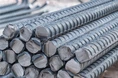
The manufacturers of hot dip galvanized silk have shared the process of galvanizing wire to produce optimal Z low carbon steel cable. In this process, the crucial steps include the selection of optimal Z low carbon steel, drawing forming, pickling rust removal, high temperature annealing, hot gold plating, and processing and cooling. Galvanized wire is available in two types: hot galvanized wire and cold galvanized wire. While there may be some obstacles in the galvanizing procedure, preventing them is key. Therefore, it's imperative to know how to fix these issues if they occur. The galvanized silk factory advises being mindful of the following steps while galvanizing silk.
The thickness of the coating plays a crucial role in determining the longevity of the protection provided by galvanized silk, according to experts in the field. In situations where there is low humidity and indoor use, the thickness of the galvanized layer may be between 6-12μm. However, when exposed to harsh environments, the galvanized layer should be thickened to 20μm with a Z height of 50μm. Hence, the choice of galvanized thickness should take into account the prevailing environmental conditions.
When it comes to galvanized wire, the galvanization process involves passivation. This passivation can create a bright, antique passivation film that greatly enhances the buckle plate's decorative performance. There are various types of galvanized solution available, which can be classified as either with or without fluoride plating solution based on their characteristics.
The galvanized solution has excellent dispersion and application ability, which results in smooth plating. Additionally, the plating process is uncomplicated and can be widely used in medium to long-term production. Despite its advantages, it's worth noting that electroplating solution contains potent toxins. Therefore, the discharge of gas during the plating process can have detrimental effects on workers' health. Consequently, waste water must undergo strict treatment before it can be discharged.
According to manufacturers of hot dip galvanized silk, the pre-galvanization layer can be improved by using available technology to partially eliminate surface blemishes, debris, and other flaws. In the galvanization process, excess foam is produced as a result of surfactants in soap and soap fat flowing into the tank. While this intermediate foam is harmless, it can be stabilized by the presence of small, uniform particles in the tank and the surface active substance can be removed by fossilizing it with activated carbon. An effective way to eliminate foam is through filtration. It's important to minimize the inflow of surfactant as organic matter can significantly reduce the rate of plating. Formulating the chemicals with the aim of increasing deposition rate is also critical.
In this article, we will discuss the method of applying galvanized silk in a hot dip galvanized silk factory. Galvanized silk has a wide range of applications and is commonly used in various industries. It is important to follow the correct application method to ensure effective and long-lasting results. By applying a galvanized layer onto the silk, it is protected from rust and corrosion. This process involves dipping the silk into a bath of molten zinc, which forms a strong bond to the material. It is essential to use high-quality zinc and ensure that the silk is cleaned and prepared before the layer is applied. Applying galvanized silk ensures that your material is protected from harsh environmental factors, increasing its longevity and overall durability. With the proper application method, galvanized silk is an effective and practical solution for many industrial and commercial applications.
When selecting a position for the traction of galvanized iron wire, it is important to consider the weight and stability of the product. If the product is prone to horizontal movement, choose a low traction position to minimize this risk. However, if there is a potential for the product to turn over, it may be necessary to choose a higher traction position to prevent this from happening. Ultimately, the goal should be to ensure the safety and security of the product during transportation.
Galvanized wire has multiple applications and is primarily used for eight main methods, such as resale, cross, sawtooth and reverse. These methods enable galvanized wire to be utilized for various purposes.
Reinforcing galvanized wire involves threading single or double galvanized wire between two bundles of merchandise and the car. Care should be taken to ensure that the loose pieces of wire are as versatile as possible. Once the wire has been pulled to the desired length, use a mallet to twist the remaining tail towards the car. This will help to secure the wire in place and prevent it from coming loose. Properly reinforcing galvanized wire is important to ensure its durability and strength for whatever purpose it is being used for.