


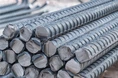
Galvanized pipe is extensively used in various industries such as engineering construction, machinery, and equipment, coal mining, chemical plants, electric power engineering, and railway vehicles. It also finds its usage in the automobile industry, road and highway bridges, shipping containers, sports facilities, agricultural machinery, chemical machinery, exploration machinery, and many other production and industrial applications.
However, the use of galvanized pipe may also pose certain common problems. One such issue is corrosion. Over time, zinc coating on the pipe may wear off, leading to the exposure of underlying steel to environmental elements, which can cause rust and ultimately reduce the pipe's durability.
Another common issue is the accumulation of sediment or other impurities inside the pipe, leading to blockages or reduced water flow. Additionally, galvanized pipes can also experience leakage, especially if joined with threaded fittings, resulting in water damage and other related problems.
Overall, while galvanized pipes are deemed useful in many industrial applications, it is crucial to be aware of common problems associated with them. Appropriate maintenance and monitoring can help minimize unforeseen problems and increase the longevity of galvanized pipes.
A phosphating or hot dip galvanized coating enhances the durability of welded pipes, which can resist corrosion and last longer. Hot dip galvanization effectively improves the corrosion resistance of seamless pipes, expanding their utility to diverse industries and applications. Galvanized pipes can be used for water pipelines, liquefied gas pipelines, oil pipelines, and low-pressure liquids, including petrochemical and offshore oil and gas applications. Moreover, they are utilized in the chemical industry's heat conduction oil heater, coal distillation and oil washing exchange pipe, cold cooling tower, and trestle precast pile. They're also ideal for mining mining channel fixed support pipe and equipment in rolling mills.
Galvanized pipes are widely used in production and processing materials processing plants to produce various specifications of these pipes. However, some precautions must be taken while using them. It is essential to follow the provisions to avoid any problems during usage. The price of galvanized pipes depends on different factors such as size, quantity, and supplier. A control mechanism must be in place to ensure that the quality of these pipes is not compromised.
Manufacturers of galvanized pipes do not apply a full protective film on the product during production, making it necessary for customers to apply a layer of protective film on the product's surface prior to use. This process prevents external chemical substances from causing corrosion of the galvanized pipe, allowing it to withstand various application conditions without worries. Thus, it is imperative to add a protective layer to the surface of galvanized pipes to ensure their longevity and effectiveness.
When it comes to galvanized pipes, there are two important factors to consider. First, the thickness of the zinc coating is crucial as it directly impacts the durability of the pipe. It's important to opt for pipes that have a thicker coating to ensure that they have a longer lifespan.
Secondly, when choosing a product on the sales market, one should pay close attention to its surface. Look for pipes that have a smooth surface without any black spots or small grooves. The reason for this is that a smooth surface indicates that the raw material used in manufacturing the pipe has a relatively high density, which ensures the robustness of the end product. So, by choosing a galvanized pipe with a smooth surface, you can ensure that you're getting a strong and durable product that will last for years to come.